
iPhone 18: What Apple Needs to Fix (And Why We're Hopeful It Will)
The Upgrade You've Been Waiting For — Or Maybe Not
Here's an uncomfortable truth: your current iPhone probably works just fine. So fine, in fact, that you've stopped thinking about upgrading. You're not alone. According to a 2024 Counterpoint Research report, global smartphone upgrade cycles have stretched to roughly 28 months on average — the longest ever recorded. Apple's own data suggests iPhone users are holding onto their devices up to four years before considering a switch.
That's a problem for Apple, which has historically thrived on the annual upgrade ritual. But it's also a massive opportunity. If the iPhone 18 can genuinely make you feel like you need it, Apple will break the cycle. And based on what we know about the company's trajectory, the iPhone 18 might be the most ambitious reset in recent memory.
Let's break down the problems today's smartphones have created — and how the iPhone 18 could solve them.
The Problem: Smartphones Have Hit an Innovation Wall
Walk into any phone store and you'll see the same story. Bigger screens, slightly faster chips, marginally better cameras. The smartphone industry has been running on incremental improvements for years, and users have noticed.
A 2023 McKinsey survey found that 36% of smartphone users said they didn't see a compelling reason to upgrade their device. Meanwhile, Apple's iPhone revenue dipped 9.7% year-over-year in Q1 2024, partly blamed on upgrade fatigue. The writing is on the wall: people don't want another spec bump. They want a moment — a reason to feel excited about technology again.
The core issues are clear:
- Battery life still doesn't match real-world usage.
- AI features on smartphones feel half-baked and cloud-dependent.
- Display and design have become formulaic.
- Camera hardware is plateauing despite software tricks.
The iPhone 18 can't just be another numbered release. It needs to be a statement. Fortunately, Apple has the tools to make that happen.
The Solution: A Year of Meaningful Change
The good news? Apple isn't sitting still. With the introduction of Apple Intelligence, partnerships with OpenAI and Google, and a series of hardware patents that sound like science fiction, the foundation for a breakthrough iPhone 18 is already being laid. Here's how each area could transform the experience.
Advertisement
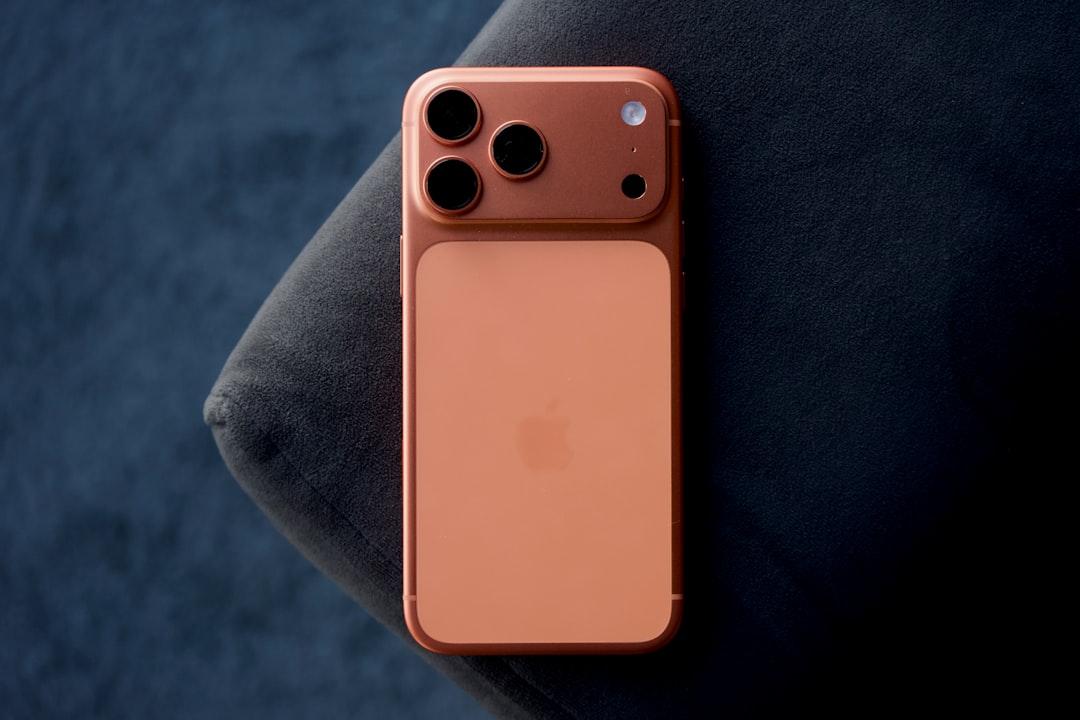
Iphone 18 Case
Shop now →AI That Actually Understands You
The biggest headline for iPhone 18 will almost certainly be on-device AI done right. Apple's "Apple Intelligence" framework, announced at WWDC 2024, is the company's answer to Google's Gemini and Samsung's Galaxy AI. But the key differentiator is privacy — Apple wants to process your data on the device, not on some remote server.
The iPhone 17 series laid the groundwork with A18-class chips featuring dedicated neural engines capable of 38 trillion operations per second (Apple's own figures). The iPhone 18 is expected to push this further with a next-generation Neural Engine optimized for large language models running entirely on-device.
What does that mean practically? Imagine Siri that actually understands context across your apps. You're reading a restaurant reservation in Messages, and Siri proactively surfaces directions, wait times, and a weather alert for the evening — all without you asking. No cloud round-trip. No privacy compromise.
According to Apple's own developer documentation, the company is investing in adaptive models that learn user behavior patterns while remaining on-device. If execution matches the promise, the iPhone 18 won't just have AI features — it'll have intelligence.
Displays That Disappear
One design element that's persisted since the iPhone X? The notch. Apple has already moved to the Dynamic Island on iPhone 15 Pro and iPhone 16 models, which is a clever software-based solution. But rumors and patent filings suggest the iPhone 18 could take the final step toward a fully under-display Face ID system.
Under-display sensors would eliminate the Dynamic Island entirely, giving the screen a true edge-to-edge appearance. Samsung has already demonstrated this technology in prototype devices, and Apple has filed patents describing exactly how it could work using organic light-emitting diode (OLED) layers that are transparent in specific zones.
The result? An uninterrupted display that makes the iPhone 18's already stunning Super Retina XDR panel look even more immersive. Combined with expected LTPO 3.0 technology supporting adaptive refresh rates from 1Hz to 120Hz, battery efficiency during static content consumption could improve by an estimated 15-20% based on Samsung Display's published data.
Advertisement
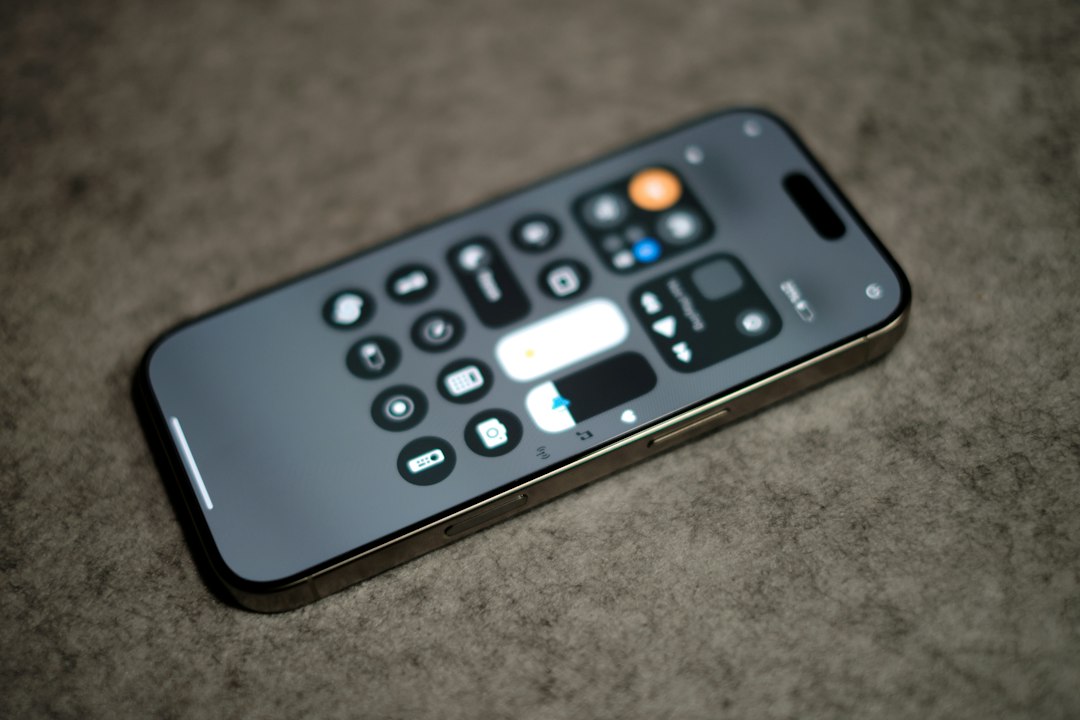
Iphone 18 Accessories
Shop now →That's not just cosmetic — it's functional design that directly impacts battery life.
Cameras That See Like You Do
The iPhone camera has been the best in the smartphone game for years, but competition from Samsung and Google's Pixel line keeps the pressure on. The iPhone 18 is expected to push boundaries in two key areas: optical zoom and computational photography powered by AI.
A periscope telephoto lens has been a Pro-exclusive feature since the iPhone 15 Pro Max, offering 5x optical zoom. The iPhone 18 may bring this capability to the standard model as well, a move that would democratize what has been a premium differentiator. Analyst Ming-Chi Kuo estimated in early 2025 that Apple is preparing to adopt tetracell sensor technology across its entire lineup, improving low-light performance by combining four pixels into one for superior light capture.
On the software side, Apple Intelligence could revolutionize photo management. Think: automatically generating highlight reels from your footage, identifying specific moments based on emotional context, or intelligently suggesting edits based on your past preferences. Apple's existing Photos app already uses machine learning, but the iPhone 18 could make it feel genuinely magical rather than mechanical.
Battery Life: The Upgrade Nobody Asks For, Everyone Needs
Let's be honest: battery life is the single most requested improvement across every smartphone user community. Apple has made meaningful strides — the iPhone 16 Pro Max reportedly delivers up to 29 hours of video playback — but real-world usage with 5G streaming, GPS navigation, and AI processing still drains even the largest batteries by mid-afternoon.
The iPhone 18 could see a significant leap through solid-state battery technology. Samsung SDI and CATL have both announced production timelines for solid-state cells suitable for smartphones, offering energy density improvements of 30-40% over traditional lithium-ion. If Apple integrates this — and the company's supply chain moves suggest it will — we could see real-world screen-on time break the 10-hour barrier consistently.
This isn't just a convenience win. Longer battery life means less anxiety, fewer charging cycles, and ultimately a longer lifespan for the device. That aligns perfectly with Apple's growing emphasis on sustainability, including its commitment to carbon-neutral products by 2030.
Advertisement
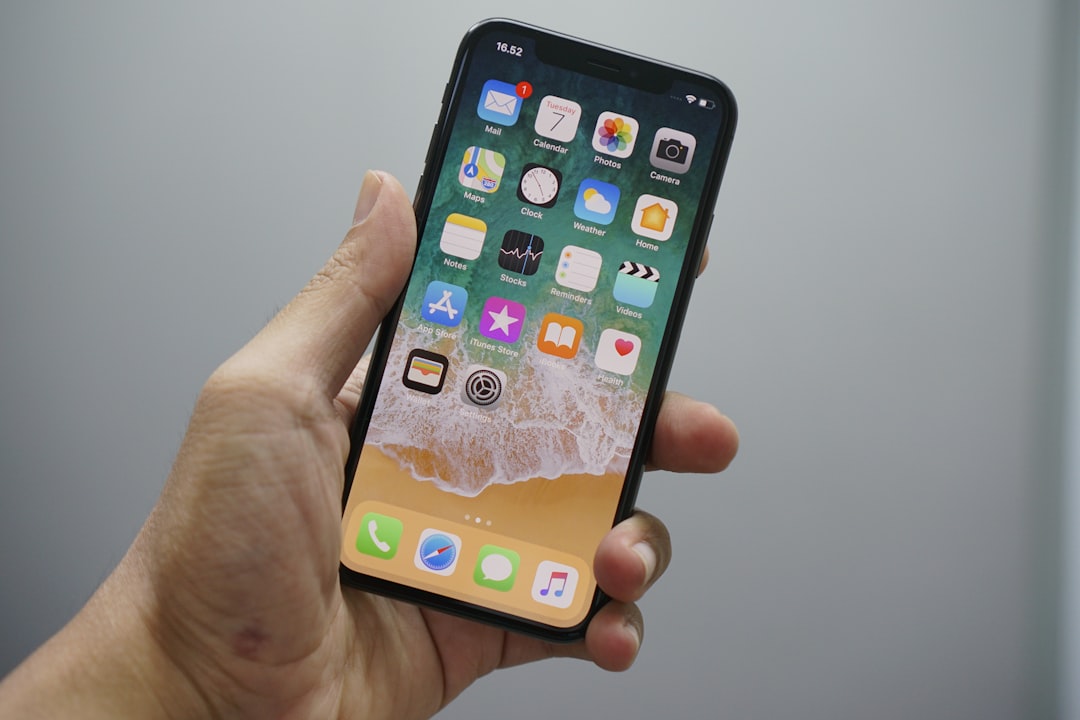
Iphone 18
Shop now →Sustainability Without the Sacrifice
Speaking of sustainability, the iPhone 18 is expected to continue Apple's aggressive push toward recycled and carbon-neutral materials. The company has already introduced 100% recycled aluminum in the iPhone 15 frame and 100% recycled rare earth elements in its magnets. The iPhone 18 could extend this to include recycled tungsten, cobalt, and even gold in circuit boards.
The challenge Apple faces is doing all of this without increasing the device's cost or compromising durability. Early reports suggest the company is succeeding — its 2024 Environmental Progress Report indicated that products using recycled materials performed equivalently to their virgin-material counterparts in durability testing.
For consumers who care about environmental impact (and that's increasingly all of us), this is a feature that matters — even if you'll never see it on the spec sheet.
The Bottom Line
The iPhone 18 isn't just another iteration. It represents Apple's best shot at reversing the upgrade fatigue that's slowed the entire smartphone industry. By combining genuine on-device AI, borderless display design, democratized camera technology, solid-state battery gains, and sustainability done right, the iPhone 18 has the potential to be the most meaningful upgrade cycle in years.
The problem is clear: smartphones have become too comfortable, too predictable, and too easy to ignore. The solution? Give people something they genuinely can't ignore.
If Apple pulls this off — and the signs point to a very strong "yes" — the iPhone 18 won't just sell well. It'll remind the world why we got excited about smartphones in the first place.
What feature are you most hoping to see in the iPhone 18? Drop your thoughts in the comments — and if you found this breakdown helpful, share it with a friend who's still on an iPhone 12. They'll thank you.